Updated: July 2026
Canggu vs Seminyak: Best Area for Luxury Bali Homes
- Lifestyle: Canggu’s culture is built around surf, wellness, and creative entrepreneurship, while Seminyak is centered on high-end shopping and fine dining.
- Investment: Canggu’s property market is in a high-growth phase with land values in prime areas like Pererenan appreciating over 15% annually, far outpacing Seminyak’s mature market.
- Architecture: The finest canggu luxury homes feature innovative tropical-modern and brutalist designs, a stark contrast to Seminyak’s more traditional Balinese villas.
The air shifts as you cross the small bridge over the Sungai Penekeh. Behind you, the polished hum of Seminyak—the clink of cocktail glasses, the rustle of designer shopping bags—begins to fade. Ahead, the scent is different. It’s the mineral tang of sea salt from Echo Beach, the sweetness of incense from a roadside *canang sari* offering, and the earthy aroma of freshly ground coffee from a sun-drenched cafe. This is the sensory threshold of Canggu. Choosing between these two iconic Bali locales for a home is not merely a real estate decision; it is a declaration of the life you intend to live on this island. As a senior editor who has charted the evolution of global luxury destinations for over a decade, I’ve seen this pattern before: the established hub and the ascendant tastemaker. In Bali, that narrative is playing out with striking speed, and the verdict is becoming increasingly clear.
The Vibe: Bohemian Surf Culture vs. Established Chic
Seminyak, for years, was the undisputed heavyweight champion of Balinese luxury. It’s a world of impeccable service, legacy restaurants, and a certain polished glamour. Jalan Kayu Aya, or “Eat Street,” remains a testament to this, a concentrated strip of top-tier dining and sophisticated boutiques like Magali Pascal that have dressed the island’s elite for over 15 years. The beach clubs, from the iconic Ku De Ta which opened in 2000 to the sprawling Potato Head, defined an era of sunset cocktails and international DJ sets. Life in Seminyak is curated, comfortable, and convenient. It is the Bali you expect. But Canggu is the Bali that is happening right now. It’s a sprawling, energetic tapestry of distinct neighborhoods, each with its own micro-culture. Berawa buzzes with a family-friendly, entrepreneurial energy, home to the Canggu Community School and Finns Recreation Club. Batu Bolong is the bohemian heart, where longboarders cruise down to the waves past organic markets and vibrant murals. Further north, Pererenan is rapidly emerging as the epicenter of quiet, design-forward luxury, where rice paddies still meet the sea. This isn’t a manufactured vibe; it’s an authentic cultural shift, driven by a global tribe of creatives, surfers, and wellness advocates who have chosen to build a life, not just have a holiday, here. The growth is staggering; pre-pandemic visitor numbers were increasing by over 20% year-on-year, a rate that has since resumed with a vengeance.
Architectural Ethos: Tropical Brutalism Meets Balinese Tradition
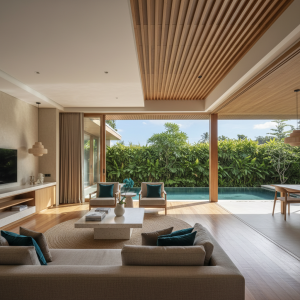
The divergence between the two areas is perhaps most visible in their architecture. A luxury villa in Seminyak is often a beautiful, classic expression of tropical living. Built largely between 2005 and 2015, these homes feature dark-stained timber, traditional *alang-alang* thatched roofing, and lush, mature gardens with stone carvings and water features. They are designed as private sanctuaries, walled off from the world, with a focus on time-honored Balinese aesthetics. They are, without question, lovely. But the architectural conversation has moved on. In Canggu, a new school of design is defining the future of tropical modernism. Here, architects are experimenting with form and material, creating homes that are both artworks and functional living spaces. Think sweeping curves of polished concrete, floor-to-ceiling glass walls that erase the boundary between inside and out, and minimalist interiors warmed by locally sourced teak and terrazzo. This is the era of tropical brutalism, a style that is bold, photogenic, and perfectly suited to the creative spirit of the area. These homes, often sprawling over 500-800 square meters, are designed for a new way of living, incorporating elements like dedicated co-working spaces, professional-grade home gyms, and state-of-the-art spa facilities like infrared saunas and cold plunge pools. Exploring the portfolio of exclusive villas for sale in Bali’s premier destination reveals this trend clearly; these are not just houses, but statements of a forward-thinking lifestyle.
Investment Landscape: Explosive Growth vs. Mature Stability
From an investment perspective, the comparison is stark. Seminyak is a blue-chip stock: stable, reliable, but with its major growth phase in the rearview mirror. Property values are high and the market is saturated. An investor buying in Seminyak today is purchasing a mature asset, with rental yields typically hovering around a respectable 5-8% net. It’s a safe harbor for capital. Canggu, on the other hand, is the disruptive tech startup that is now a market leader. The potential for capital appreciation here is unmatched on the island. According to data from local real estate analysts, land prices in prime Canggu neighborhoods like Pererenan and Cemagi have seen annual increases of 15%, and in some cases, as high as 25% in the post-pandemic boom. The demand for high-quality rental properties is insatiable, driven by a constant influx of high-net-worth digital nomads and long-stay tourists. Well-managed luxury villas in Canggu can command nightly rates of $800-$1,500 and achieve occupancy rates exceeding 70%, leading to net rental yields that can push past 12-15%. This isn’t speculative hype; it’s the economic reality of a destination that has captured the global zeitgeist. The Indonesian government’s push for quality tourism, as detailed by platforms like indonesia.travel, further underpins this growth, with policies favoring long-term, high-value visitors—the exact demographic flocking to Canggu.
The Culinary Scene: Avant-Garde Dining and Wellness Cafes
For years, Seminyak held the crown for Bali’s best dining. It is the home of institutions—restaurants that have shaped the island’s culinary reputation. A reservation at Metis, with its exquisite French-Mediterranean fare and iconic lotus pond view, is a rite of passage. A sunset dinner at La Lucciola, serving rustic Italian on the beach since 1999, is a cherished memory for many. This is dining as an event: formal, consistent, and exceptionally high-quality. But the sheer creative energy in Canggu’s food scene is impossible to ignore. It is more diverse, more experimental, and more in tune with modern palates. The area is a global hub for the plant-based movement, with places like The Shady Shack serving inventive vegetarian and vegan food that draws crowds from dawn till dusk. At the same time, it is home to a new wave of sophisticated, chef-driven concepts. Mason offers meticulously crafted modern Australian cuisine cooked over a wood fire. Skool Kitchen, perched above the surf, delivers a thrilling, primal dining experience based on open-flame cooking. You can find top-tier Japanese at Indigo, authentic Mexican at Mosto, and a dozen other global flavors executed at the highest level. The difference is the atmosphere; Canggu’s top restaurants eschew formality for a focus on community, design, and exceptional ingredients. It’s a scene that reflects its residents: globally aware and endlessly curious.
Lifestyle and Leisure: Integrated Wellness vs. Indulgent Pampering
How one spends their downtime is perhaps the most telling differentiator. In Seminyak, leisure is often an act of indulgence. It’s a day spent moving from a sun lounger at a five-star hotel pool to a multi-hour treatment package at a world-renowned spa like Bodyworks, followed by a shopping spree at high-end international boutiques. It is a vacation-centric model of relaxation, designed to help one decompress from a busy life back home. In Canggu, wellness and leisure are not activities; they are integrated into the fabric of daily life. The day starts not with a mimosa, but with a 6 AM surf session at Batu Bolong or a vinyasa class at a top-tier yoga shala like The Practice. Fitness is a priority, with a high density of CrossFit boxes, F45 studios, and boutique gyms. The “spa” might be a therapeutic ice bath session or a visit to a traditional healer. This lifestyle is active, intentional, and holistic. It’s about optimizing your well-being, not just escaping your routine. This philosophy extends to the proximity of cultural landmarks; the iconic sea temple of Tanah Lot is a mere 11-kilometer drive away, offering a spiritual touchstone amidst the modern vibrancy. The very design of the best Canggu luxury homes reflects this, built to support a life of active, mindful balance.
Quick FAQ: Your Pressing Questions Answered
Which area is better for families?
While Seminyak has family-friendly resorts, Canggu, particularly the Berawa neighborhood, is a clear winner for resident families. The presence of top-tier international schools like the Canggu Community School and recreational hubs like the Finns Recreation Club, which offers a waterpark, tennis, and kids’ clubs, creates a robust community infrastructure that Seminyak lacks.
What about traffic and infrastructure?
Both areas experience the “Bali traffic” phenomenon. However, Seminyak’s grid is older, more constricted, and often at a standstill. Canggu’s rapid development is a double-edged sword; while it creates congestion, it also fuels constant infrastructure improvements. The emergence of new “shortcuts” and road-widening projects means the area is actively adapting to its growth in a way the more established Seminyak cannot.
Is one location more walkable than the other?
Seminyak is more traditionally walkable in concentrated areas, like the main strips of Jalan Kayu Aya or Jalan Petitenget. Canggu is more spread out, and life is generally lived on a scooter. However, micro-communities within Canggu, like the streets around Echo Beach or in the heart of Berawa, are highly walkable, allowing you to get from your villa to a cafe, yoga studio, and the beach entirely on foot.
How do the beaches compare?
Seminyak’s beach is a long, wide expanse of golden sand, ideal for swimming and sunbathing. Canggu’s beaches are more varied and dynamic. They are world-renowned surf breaks, characterized by their volcanic black sand and powerful waves. While less suited for casual swimming, they offer a more dramatic and energetic coastal experience, with dozens of casual *warungs* and surf schools lining the shore.
The choice is ultimately one of vision. Seminyak is a beautifully preserved photograph of Bali’s first wave of luxury—a place of comfort, nostalgia, and proven appeal. It is an investment in the past. Canggu is the dynamic, unfolding story of Bali’s future. It is a wager on continued cultural relevance, architectural innovation, and explosive economic growth. For those looking to simply own a piece of Bali, Seminyak is a fine choice. But for those looking to be part of its evolution, to invest in a lifestyle that is defining global trends in wellness, work, and design, the answer is unequivocally Canggu. The landscape is shifting, and the most discerning individuals are building their future here. To understand this new paradigm of island living firsthand, we invite you to explore our curated portfolio of Canggu luxury homes. This is your opportunity not just to purchase a property, but to claim your place in the new Bali.