Updated: July 2026
Canggu vs. Uluwatu: Which Bali Hotspot Offers the Best Property Investment?
Canggu Luxury Homes is a curated Indonesia luxury tourism experience offered by Canggu Luxury Homes: handpicked routes, vetted operators, transparent pricing, and 24/7 concierge support across Indonesia.
- What makes Canggu Luxury Homes a premium experience.
- How Canggu Luxury Homes curates exclusive access and concierge logistics.
- Routes, seasons, and pricing transparency — no hidden fees.
Canggu vs. Uluwatu: Which Bali Hotspot Offers the Best Property Investment?
In Bali’s dynamic property market, two names consistently command the attention of discerning investors: Canggu and Uluwatu. Each offers a distinct vision of island life, backed by compelling investment fundamentals. For those considering an entry into this lucrative landscape, the choice is not merely geographical; it is strategic. This analysis moves beyond the surface-level allure, dissecting the core attributes of each locale to determine which is the superior fit for your portfolio and lifestyle aspirations, particularly when exploring the market for premium canggu luxury homes.
The Vibe: Bohemian Surf vs. Cliffside Sophistication
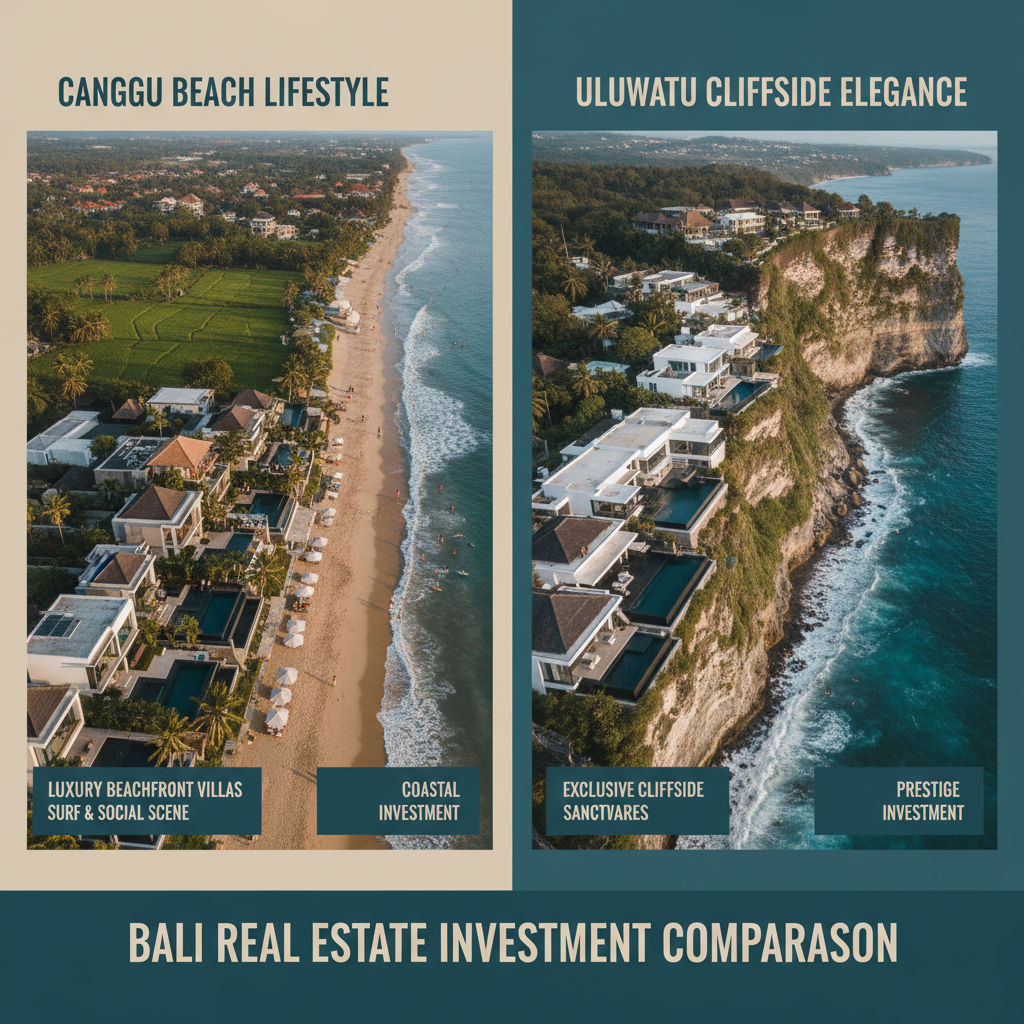
Canggu is the island’s energetic heart, a vibrant mosaic of surf culture, creative entrepreneurship, and wellness-focused living. Its pulse is felt along the bustling streets of Batu Bolong, in the sophisticated café culture of Berawa, and along the quieter, rice-paddy-lined lanes of Pererenan and Babakan. The atmosphere is one of constant motion and connection—a global village where co-working hubs, yoga shalas, and top-tier restaurants coexist. It attracts a dynamic, year-round community of digital executives, creative professionals, and young families drawn to its blend of coastal living and urban convenience.
Uluwatu, perched on the dramatic limestone cliffs of the Bukit Peninsula, offers a contrasting narrative. Its essence is one of serene grandeur and exclusivity. The vibe is defined by panoramic ocean vistas, legendary surf breaks at places like Padang Padang, and architecturally stunning venues carved into the rockface. Life here moves at a more measured pace, centred around private retreats and exclusive beach clubs. It is a sanctuary for those seeking privacy, natural beauty, and a more refined, tranquil version of Bali luxury, appealing to established high-net-worth individuals and those prioritising seclusion over social density.
Lifestyle and Amenities: What Each Area Offers
The lifestyle in Canggu is one of exceptional convenience. The area boasts a dense concentration of first-class amenities catering to a sophisticated expatriate community. Esteemed international schools, such as the Canggu Community School, are a major draw for families. The culinary scene is arguably the island’s most diverse, ranging from innovative fine dining to an abundance of health-conscious cafés. High-end fitness centres, boutique shopping, and a calendar full of cultural events mean that everything one needs for a complete, modern lifestyle is within a few kilometres.
In contrast, Uluwatu’s amenities are more destination-oriented. While it offers exceptional dining and world-renowned spas, they are more spread out, designed as exclusive experiences rather than daily conveniences. The lifestyle here is less about the day-to-day ecosystem and more about embracing the natural environment—surfing iconic waves, enjoying sundowners at a cliff-top bar, or retreating to a secluded villa. The appeal lies in its elemental luxury and the space it affords, a stark difference to Canggu’s integrated, community-focused infrastructure.
The Property Landscape: Investment Opportunities in Canggu vs. Uluwatu
From an investment perspective, Canggu presents a compelling case for strong, consistent rental yields. The demand is year-round, fuelled by long-term residents, digital nomads, and holidaymakers. The market for canggu luxury homes is characterised by modern, architecturally significant villas, often on leasehold titles, designed for both comfortable living and high-performance rental returns. Areas like Pererenan are seeing a surge in ultra-premium new builds, while Babakan offers opportunities for larger estates with serene rice field views, attracting investors focused on cash flow and a tangible connection to Bali’s creative epicentre.
Uluwatu’s property market is primarily driven by capital appreciation and the allure of “trophy assets.” Prime cliff-front and ocean-view land is exceptionally scarce, commanding premium prices and ensuring long-term value retention. Properties here are often larger, more private estates, frequently sold on a freehold basis. While the short-term rental market can be strong, it is often more seasonal than Canggu’s. The investment proposition in Uluwatu is for the long-term holder, one who values the prestige and irreplaceability of a prime coastal location over immediate, high-volume rental income.
Accessibility and Infrastructure: A Practical Comparison
Canggu’s location offers a strategic balance. It is close enough to the established hubs of Seminyak and Kuta to benefit from their amenities, yet far enough to maintain its unique identity. Access to Ngurah Rai International Airport is manageable, though investors must be mindful of the area’s well-known traffic congestion. However, ongoing infrastructure projects are continually improving connectivity within the Canggu corridor. This constant development underpins the area’s growth, making it a practical base for residents who require easy access to a broad range of services.
Uluwatu and the Bukit Peninsula benefit from closer proximity to the airport and a less congested road network. This ease of access is a significant advantage. The trade-off is a greater distance from the island’s central and northern attractions. The infrastructure is more sparse, which contributes to its exclusive, uncluttered feel but can mean longer journeys for specific needs like international schooling or specialised shopping. For investors and residents, this translates to a choice between the self-contained, amenity-rich environment of Canggu and the tranquil, easily accessible seclusion of Uluwatu.
The Verdict: Which Location Suits Your Investment Portfolio?
The optimal choice is not a matter of which area is definitively “better,” but which aligns with a specific investment strategy. There is no single answer, only the right answer for your objectives.
Choose Canggu if your priority is high rental yield and a dynamic environment. It is the superior choice for investors seeking strong, consistent cash flow from a diverse, year-round rental market. The area’s relentless growth, deep amenity base, and vibrant community create a resilient and profitable ecosystem. The market for canggu luxury homes is mature, offering a wide array of sophisticated, turnkey investment properties vetted for performance.
Choose Uluwatu if your focus is on long-term capital appreciation and exclusivity. It is the ideal location for investors seeking a legacy asset with enduring value. The scarcity of prime land and the exceptional natural beauty provide a formidable defence against market fluctuations. This is an investment in prestige, privacy, and the timeless appeal of Bali’s most dramatic coastline.
Navigate Your Bali Investment with Confidence
Making an informed decision in either market requires deep, on-the-ground expertise. At Canggu Luxury Homes, our portfolio is meticulously curated, and every property is vetted against stringent criteria for architectural quality, legal standing, and investment potential. To discuss your personal investment strategy and explore exclusive opportunities in the Canggu region, please contact our advisory team for a confidential consultation at [email protected] or via WhatsApp at +62 811-3941-4563.
Frequently Asked Questions
Is leasehold a safe investment in Bali for foreigners?
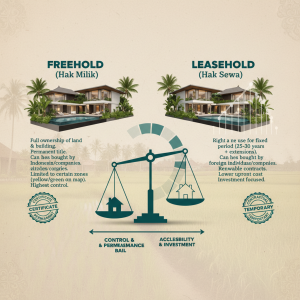
Yes, when structured correctly. Leasehold (Hak Sewa) is the most common and secure method for foreign property interest in Indonesia. It grants the right to use and profit from the land and buildings for a fixed period, typically 25 to 30 years, with options for extension. Engaging a reputable legal advisor and a trusted real estate agency is critical to ensure the lease agreement is robust, properly registered, and protects your interests throughout its term, making it a very viable investment structure.
What are the typical rental yields for luxury villas in Canggu?
Net rental yields for well-managed luxury villas in prime Canggu locations, such as Berawa or Pererenan, typically range from 8% to 12% annually. This can fluctuate based on the property’s specific location, quality, amenities, and marketing strategy. The area’s year-round demand from a diverse mix of tourists, long-term residents, and digital nomads contributes to some of the highest and most consistent rental returns on the island, making it a prime target for cash-flow-focused investors.
How does Uluwatu’s rental market compare to Canggu’s?
Uluwatu’s rental market is strong but more seasonal, peaking during the dry season (May-September) and holiday periods. It caters to a clientele seeking short-term, high-end holiday lets, often commanding very high nightly rates due to the spectacular views and property quality. In contrast, Canggu has a more stable, year-round market with a significant base of long-term renters (1-12 months), which provides a more consistent, predictable income stream for property owners throughout the year.
What are the main differences between investing in Berawa and Pererenan?
Berawa is the most developed and commercially dense part of Canggu, offering proximity to beach clubs, international schools, and countless restaurants. Investments here benefit from proven high occupancy and rental rates but come at a higher price point. Pererenan, its neighbour to the north, is a rapidly up-and-coming area known for its more tranquil, residential feel and a focus on high-end, architecturally designed new villas. It offers slightly better value and significant potential for capital appreciation as its infrastructure continues to mature.
Are freehold properties available to foreigners in Canggu?
Direct freehold (Hak Milik) ownership is restricted to Indonesian citizens. However, foreigners can effectively control freehold property through a specific legal structure known as a Foreign-Owned Company (PMA). This involves setting up an Indonesian company that can then acquire the freehold title, giving the foreign investor full control. This is a common and secure method for significant, long-term investments, though it involves more complex setup and compliance requirements than a straightforward leasehold agreement.
What is the ‘PMA’ structure for foreign property ownership?
A PMA (Penanaman Modal Asing) is a foreign capital investment company, a legal entity in Indonesia that can be fully or partially owned by foreigners. For real estate, a PMA can be granted a “Right to Build” (HGB) title, which is the strongest commercial title and can be held for up to 80 years. This structure allows foreigners to legally purchase, develop, and operate properties for commercial purposes, such as rental villas, providing a secure and long-term framework for significant investment.
How does infrastructure development affect property values in these areas?
Infrastructure is a primary driver of property value in both Canggu and Uluwatu. In Canggu, road improvements, sidewalk construction, and improved utilities directly boost accessibility and livability, leading to steady appreciation. In Uluwatu, major projects like road expansions or the development of new high-end resorts can significantly increase the value of surrounding land and properties. Investors should monitor local government plans, as forthcoming projects often signal future growth hotspots and opportunities for substantial capital gains.
What are the primary running costs of a luxury villa in Bali?
Annual running costs for a luxury villa typically amount to 1-2% of the property’s value. These include staff salaries (villa manager, housekeeping, gardener, pool maintenance), utilities (electricity, internet, water), routine maintenance, and community fees (banjar fees). Additionally, owners should budget for property and rental income taxes, as well as marketing and management fees if the villa is used as a rental investment. Proper budgeting for these operational expenses is crucial for accurately calculating net returns.
Which area is better for families with children?
Canggu is generally considered more family-friendly due to its high concentration of amenities. It is home to several top-tier international schools (Canggu Community School, ProEducation), numerous child-friendly cafes, recreational clubs like Finns Recreation Club, and a large, established community of expatriate families. While Uluwatu offers a wonderful natural environment, its amenities are more dispersed, making the daily logistics of school runs and activities more convenient and accessible within Canggu’s self-contained ecosystem.
How long does the purchasing process typically take for a foreign investor?
The process can vary depending on the complexity of the deal and the legal structure. A straightforward leasehold transaction can often be completed in 4 to 6 weeks. This includes due diligence conducted by a lawyer and notary (notaris), negotiation of the final agreement, and the signing of the lease deed. Setting up a PMA to acquire a freehold property is a more involved process and can take 2 to 3 months before the property transaction can be finalised.
What is the role of a ‘notaris’ in a Bali property transaction?
A ‘notaris’ is a government-appointed public official who plays a crucial role in property transactions. Their primary responsibility is to witness the signing of legal documents, such as the lease agreement or deed of sale, and to verify the identity of the parties involved. They formalise and legalise the transaction, ensuring it is officially recorded. While they ensure legal formality, it is highly recommended to also engage an independent lawyer to conduct due diligence and represent your specific interests.